
You can measure a solid Cyan patch and get a reading of 1.25, you can also measure a solid Magenta patch and get a reading of 1.25 —
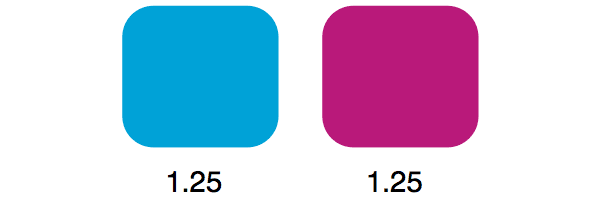 Completely different colors but they can have the same density. Now imagine if we changed these patches to Grayscale, they look the same.
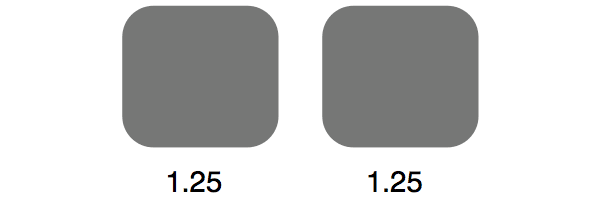 That's because their density is 1.25 or the amount of light that is being absorb by the ink and reflected back to the densitometer is the same.
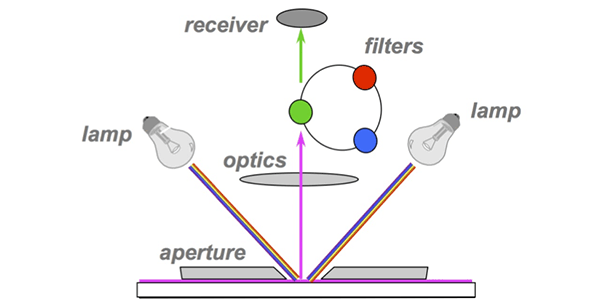 A spectrophotometer uses a series of filters or a prism to measure the wavelength of color in nanometer increments.
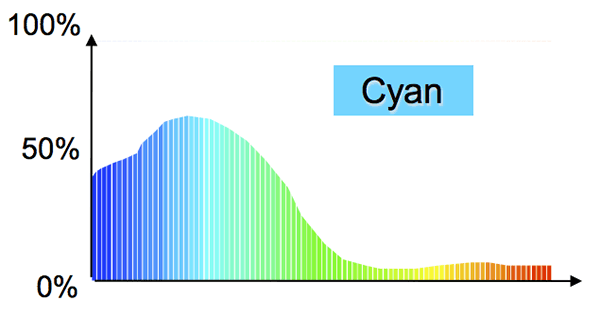
 These precise measurements create a spectral curve for the color and every color has it’s own unique spectral curve.
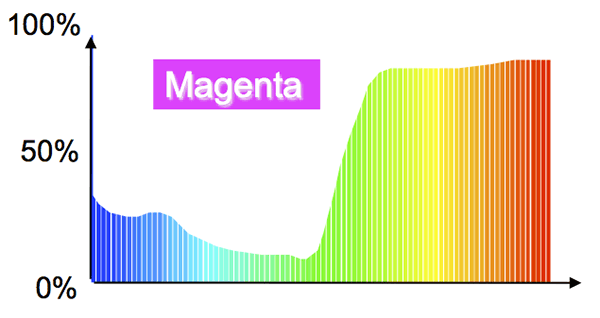 A spectrophotometer is a great device to measure and communicate color. A densitometer is a great device to monitor color. Only if you have them set up properly.
- Density Status?
- Backing material?
- Polarizing Filter?
- Density Relative or Absolute?
- Dot Gain/Area formula?
- Trap Formula?
- Illuminant?
- Observer?
- Geometry?
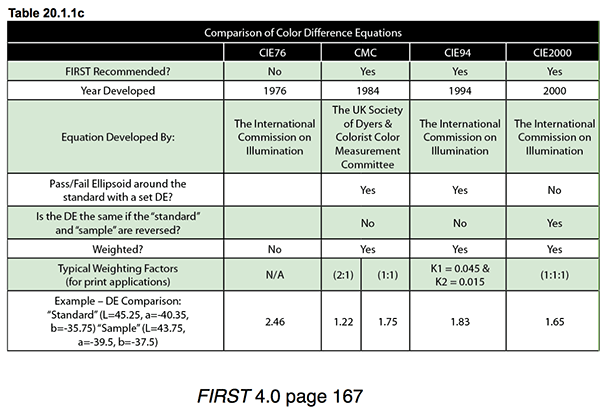
- Delta E (∆E) formula?
Luckily all of these answers reside in the FTA FIRST 4.0!
 www.flexography.org/04Education/first
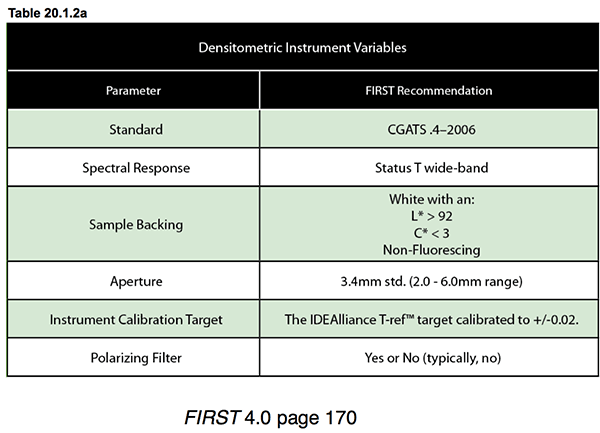
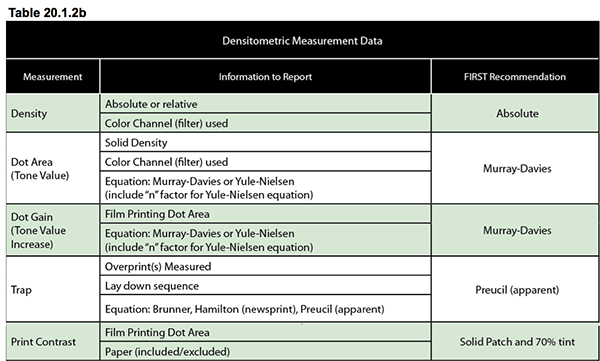 and pages 165 and 167 have the recommended settings for a spectrophotometer.
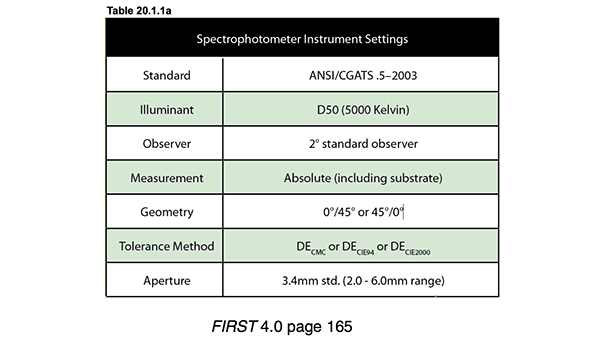
 When communicating color it is critical to provide some of this information. For example, if someone gave me CIE LAB numbers of L* 55.6 a* 40.8 b*-15.77 they mean virtually nothing unless you also supply what Illuminant/Observer they are based on. CIE LAB number should be accompanied by something like D50/2 (meaning illuminant D50 and observer 2 degrees).
This also holds true for Delta E (ΔE). A ΔE of 2.6 is meaningless unless I know what delta E equation was used for the calculation. ΔE00 tells me the equation used was Delta E 2000.
FIRST 4.0 is a wealth of information related solely to the Flexographic print process. Make sure your densitometer and spectrophotometer are calibrated and have been certified. Most manufacturers suggest yearly or bi-yearly certification.
The next wave of tools coming to the pressroom are software tools that communicate with spectrophotometers to provide information to the press operator that previously did not exist....like Optimal Ink Density. www.spotonflexo.com
When communicating color it is critical to provide some of this information. For example, if someone gave me CIE LAB numbers of L* 55.6 a* 40.8 b*-15.77 they mean virtually nothing unless you also supply what Illuminant/Observer they are based on. CIE LAB number should be accompanied by something like D50/2 (meaning illuminant D50 and observer 2 degrees).
This also holds true for Delta E (ΔE). A ΔE of 2.6 is meaningless unless I know what delta E equation was used for the calculation. ΔE00 tells me the equation used was Delta E 2000.
FIRST 4.0 is a wealth of information related solely to the Flexographic print process. Make sure your densitometer and spectrophotometer are calibrated and have been certified. Most manufacturers suggest yearly or bi-yearly certification.
The next wave of tools coming to the pressroom are software tools that communicate with spectrophotometers to provide information to the press operator that previously did not exist....like Optimal Ink Density. www.spotonflexo.com
I would very much like to use your article in a presentation but most of the graphics are missing! Is there any chance a PDF version could be sent to my email?
thank you