
Part 6 - Plateroom Habits that Affect Sustainability
When you hear the word “habit”, it is typically used in conjunction with bad habits that need to be broken. However, habits can be good when you purposefully start them to benefit your production. In this article, we want to discuss good habits in the plateroom that can be beneficial to your sustainability goals. Let’s take a closer look at good habits that can reduce raw plate waste, platemaking process waste, and finished plate waste.
The photopolymer plate in its raw form is not a cheap material so it should be treated as an investment. Making sure this investment is protected and utilized optimally will not only save you money but also generate less waste. In its raw form, photopolymer plates are quite delicate so it is critical to protect them through proper storage and handling practices. The plates should be stored in their original shipping containers and always laying flat. They should be stored in a cool dry area with recommended temperatures of 40-90°F and allowed to acclimate to plate room conditions prior to plate making.
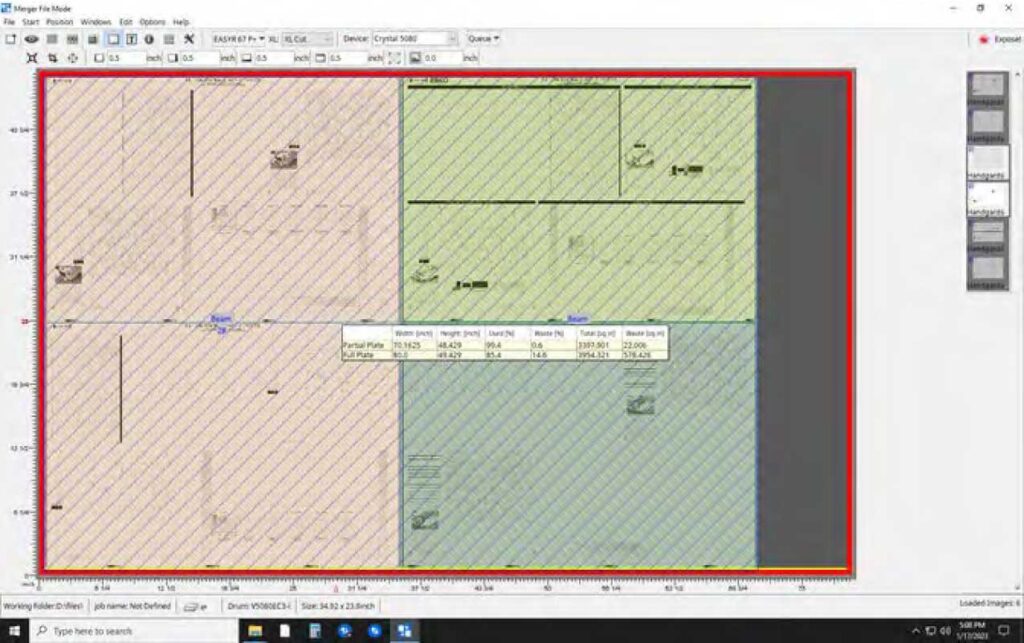
The use of raw photopolymer sheets should be kept to a minimum by utilizing every possible inch of material through thoughtful job layouts.
Some recommended steps for reducing raw material waste are as follows:
- Use auto cropping tools to crop the plate size down to the image area.
- Only image a sheet once you have enough plates to fill it completely.
- Order a raw plate material size that compliments your common plate layouts.
- Reduce the number of colors in jobs by using combo plates.
- When you are faced with a small plate on a large photopolymer sheet, you can cut the material down prior to back exposure and just use a partial sheet. The other side of the partial can be saved for later use but make sure to label it correctly and inventory the partial size.
Some printers find themselves using multiple plate types in their production depending on job, substrate, anilox, etc. For instance, maybe they use a hard durometer plate on process work with high linescreen while using a softer durometer plate on spot colors within the same job. This means having to separate the job colors up onto two different plate materials reducing yield. With highlight and surface screening technologies available now, we find that a single plate material can be used throughout a job on process, screens, solids, and coatings. Using a single plate material in your plate room improves yield and simplifies plate making layouts.
Unfortunately, the plate making process results in inevitable production waste other than the unused photopolymer. It's important that we optimize the plate making process to reduce these wastes to their absolute minimum. One of the largest production wastes is the solvent used for processing solvent plates and non-woven used for processing thermal plates. Some tips for reducing the amount of solvent/non-woven used follows:
- Optimize washout times/speeds to prevent unnecessary overwashing.
- Use the lowest plate relief possible to reduce the washout time required.
- Run partial plates with the shorter dimension running in the machine direction.
- Balance solvent to ensure proper breakdown of polymer.
- Stay on top of PMs to make sure machines are running in the best possible conditions.
Another plate making production waste to consider reducing is the packaging materials that the plates come inside. Depending on the volume of plates that you use, you could consider moving from a typical box to a bulk box. DuPont offers plates in two kinds of bulk boxes: a corrugated single use one and a reusable wooden crate. These bulk boxes will reduce the number of boxes shipped to you therefore reducing the amount of waste needing recycled or disposed of at the customer site.


Regular quality control checks and preventive maintenance can reduce the amount of plate remakes and mistakes, thus reducing your overall plate waste and increase sustainability. Daily, weekly, and monthly plate room habits can be implemented to help you reduce waste and time.

- Daily: Going to press with a bad plate creates an excess of material and press time waste. Implementing a quality control strip on each set of plates can help you recognize issues that may arise before going to press and prevent future plates to be made under the same poor conditions. Quality Control strips should be placed on each sheet of photopolymer. These QC strips will allow you to gain knowledge of the minimum dot size held on the plate, the plate floor/relief, and measure if your 50% dot is measuring within specification. Checking these three items before going to press can help reduce waste on the press floor and stop future issues from occurring, increasing sustainability.
- Weekly: Depending on your plate volume, some of these recommended healthy habits may want to be performed more or less often. Running a focus search and stain test on the digital plate imager can allow you to make sure your laser is imaging and ablating the carbon Laser Ablated Mask (LAMs) properly. Leaving excessive carbon residue on the plate will prevent UV light from properly exposing photopolymer resulting in dot failure. Making sure you have clean plate room practices such as wiping down equipment and removing dust and debris from the plate room is also very important. A clean plate room will prevent plate damage as well as keep equipment running smoothly.
- Monthly/Quarterly: It is important to keep up with your regularly scheduled equipment PMs with your vendors. During these PM’s, technicians check equipment filters, dirty processing drums, exposure unit ballasts, equipment updates, laser lens, and other important elements that play a part in ensuring a well-made plate. Building a regular maintenance schedule is a healthy habit that can help prevent bad plates and reduce overall waste. Measuring the UVA output on your bank light exposure units for back/main exposure can help ensure your plates have the proper relief/floor height as well as properly formed highlight dots.
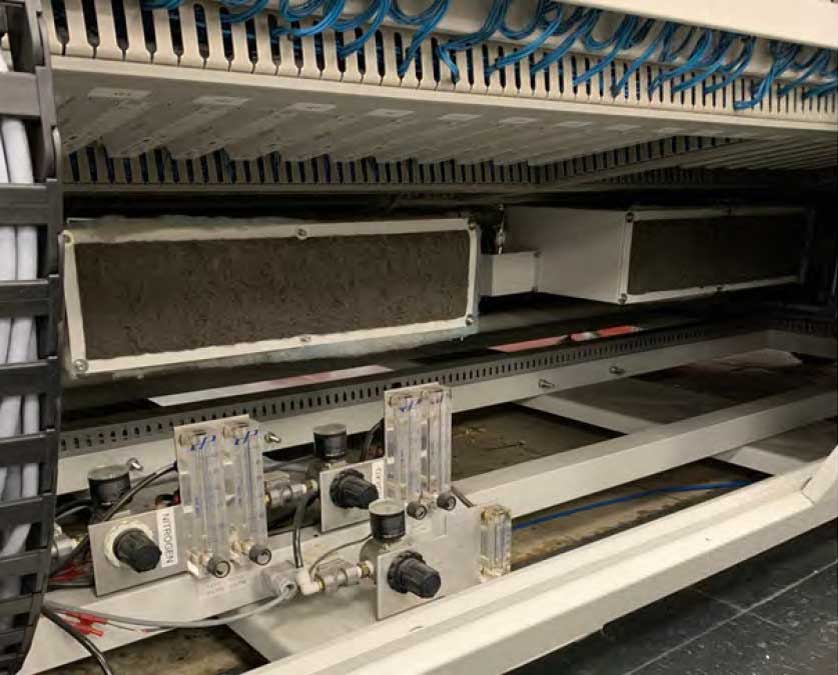
Dirty Filters

Clean Filters
Overall, daily, weekly, and monthly practices can help reduce the amount of plate remakes and catch poorly made plates before going on press. This can help reduce both plate and material waste, while increasing your overall sustainability.
Work alongside your DuPont™ Cyrel® representatives to audit your plate room and plate making process to create good habits with the goal of reducing raw plate waste, platemaking process waste, and finished plate waste.
The Sustainable Platemaker Series
Part 1 - Next Generation Plate Making and the Pursuit of Green
Part 2 - Plate considerations when working with sustainable inks and substrates
Part 3 - Changing the mindset: thinner flexo plates deliver quality and sustainability to the corrugated market
Part 4 - Plates, Plate Packaging and the 5 Rs
Part 5 - Reducing Plate Waste
Part 6 - Plateroom Habits that Affect Sustainability
Part 7 - Improving Plate Longevity and Reuse
Part 8 - Driving Pressroom Sustainability with Prepress Innovation